The Nature of Risk in Gambling
Risk is an inherent part of gambling, as it embodies the uncertainty and chance that characterize casino gaming. The thrill of placing a bet and the anticipation of winning can significantly influence a player’s decision-making process. Understanding the psychology behind risk-taking is crucial for both players and casino operators, as it informs strategies like best online casinos canada and enhances the overall experience.
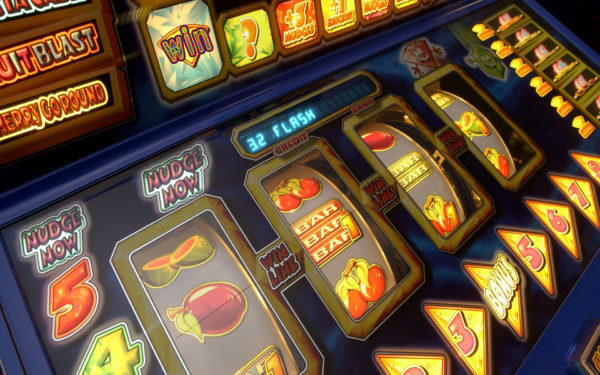
Players often engage in risk assessment subconsciously, weighing potential rewards against the likelihood of loss. This psychological interplay can lead to behaviors such as chasing losses or overestimating one’s chances of winning, which can skew rational judgment. The rollercoaster of emotions tied to winning and losing can create a potent mix, prompting players to pursue riskier strategies in hopes of a bigger payoff.
Several psychological factors play a pivotal role in gambling behavior, including cognitive biases, emotional states, and social influences. Cognitive biases, such as the illusion of control and gambler’s fallacy, can lead players to make irrational decisions. For example, a player may believe they are on a winning streak, thus misjudging their actual odds of success in subsequent bets.
Emotional states also significantly impact gambling strategies. Positive emotions can enhance risk-taking behavior, while negative emotions may lead to more cautious approaches. The social environment within the casino, including peer pressure and group dynamics, can further influence individual risk preferences, often encouraging behavior that individuals might not typically exhibit when gambling alone.
Casino games are designed to exploit psychological mechanisms related to reward and reinforcement. The immediate gratification of rewards—whether through winnings, bonuses, or the excitement of gameplay—can create a feedback loop that encourages continued play. This phenomenon is particularly evident in games with high volatility, where the potential for significant rewards draws players in, despite the associated risks.
Understanding how players respond to rewards can help casinos tailor their gaming strategies to maximize engagement. Techniques such as loyalty programs and promotional events leverage the psychology of reward to keep players returning, often influencing their risk-taking behavior. This aligns with the casinos’ interests but also raises ethical considerations regarding responsible gambling practices.
As the understanding of risk psychology in gambling evolves, so too do strategies for promoting responsible gambling. Education and awareness programs can help players recognize the signs of problematic gambling behavior, encouraging them to adopt more sustainable gaming strategies. Tools such as self-exclusion and budgeting can empower players to manage their risks effectively.
Moreover, casinos have a role to play in promoting responsible gaming environments. By implementing measures that prioritize player welfare, such as providing clear information about odds and offering tools for tracking gameplay, casinos can foster a healthier gaming atmosphere. This not only protects players but also enhances the reputational standing of gaming establishments.

While exploring the psychology of risk in casino gaming strategies provides valuable insights, it’s essential to recognize the interconnectedness of different entertainment forms. Just as players navigate risks in gambling, audiences engage in the emotional risks of theatrical performance. Each domain offers unique experiences characterized by the thrill of uncertainty and the quest for satisfaction.
As visitors seek to explore and enjoy these intricate layers of human behavior and experience, accessing resources and information from platforms dedicated to theatrical performances can enrich their understanding. Ultimately, both casino gaming and theatrical arts thrive on the delicate balance of risk and reward, drawing individuals into the captivating dance of chance and creativity.